November 4, 2026
Mocks Are Optional. Taste Isn't.
Two days of interviewing product designers, and I kept hearing myself say the same six things. Job descriptions are blurring, mocks are optional, and taste is the job.
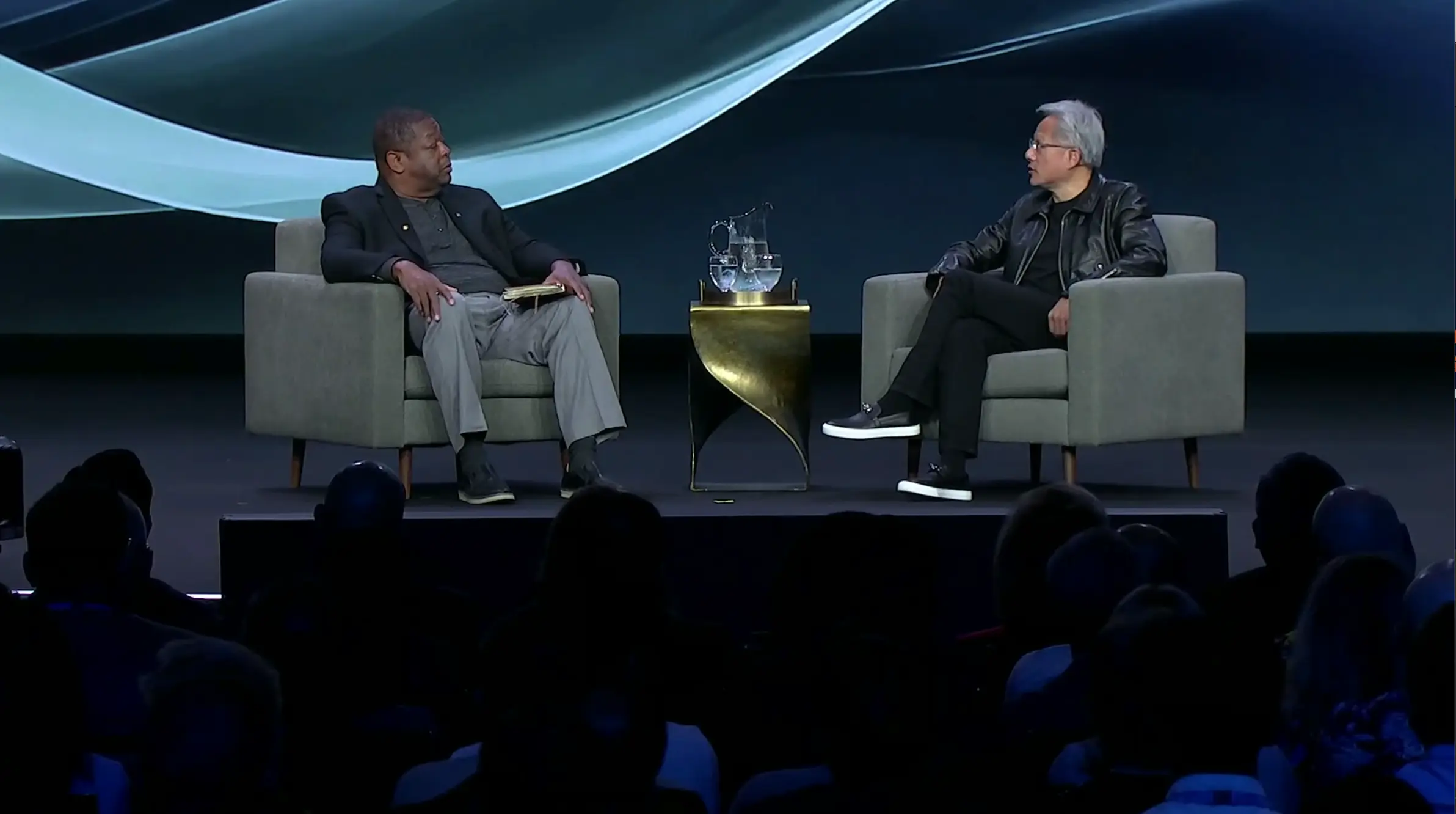
Our CEO took the stage at Convergence AI Dallas and demoed the product my team has been building — agentic search, customizable dashboards, and real-time spatialization. This is what it felt like to watch that land, and why I think the companies that win the AI era will be the ones that make intelligence usable, trustworthy, and human.
I'm stepping into a new chapter at Worlds, taking on exciting (and slightly scary) challenges at the intersection of AI, design, and product leadership.
AI helps you build faster than ever, but if you're not careful, you'll pay the price later. Here's how I keep speed high without letting tech debt pile up—and the simple rules I follow to make sure AI-generated code doesn't bite me in the long run.
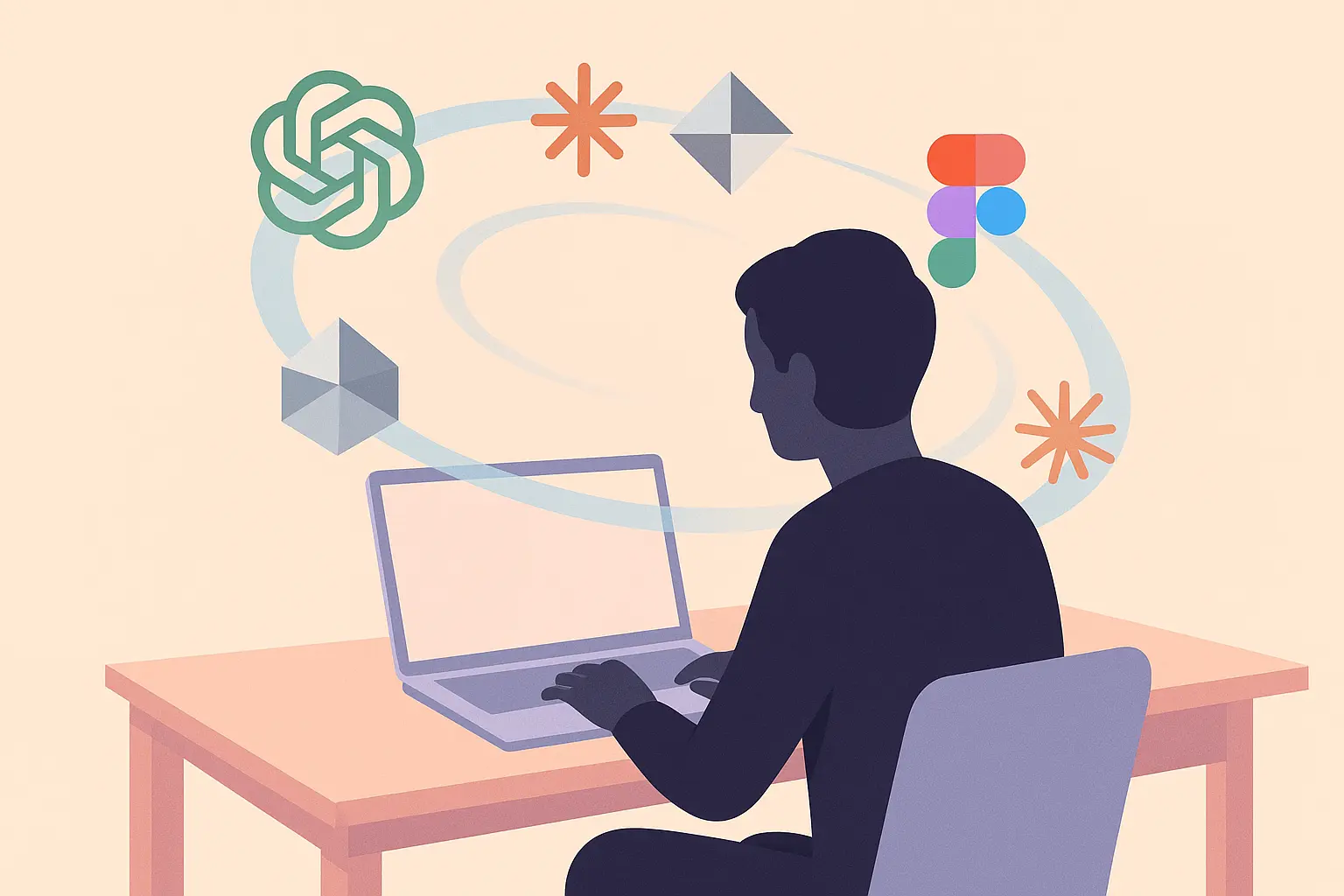
Instead of relying on one AI tool to "do it all," I've found success treating each AI app like a teammate with a defined role—solution architect, developer, and creative support. Here's how I orchestrate ChatGPT, Cursor, Claude, and Figma into an AI-enhanced workflow.
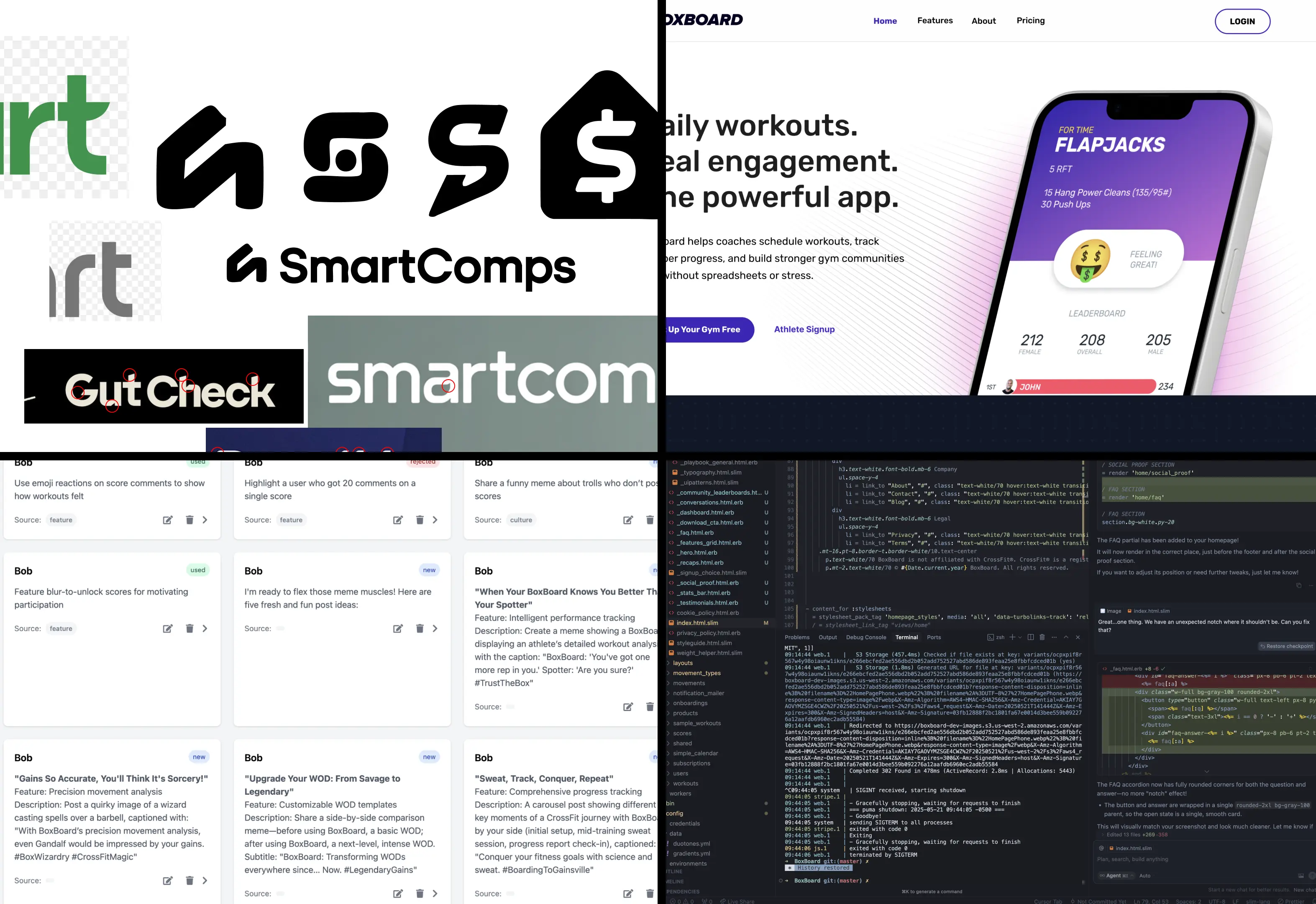
AI is blurring the lines between once-siloed roles. Here's how I used four different skill-sets—logo design, landing-page creation, marketing ideation, and coding—in the spare slices of a single week, with AI doing the heavy lifting.
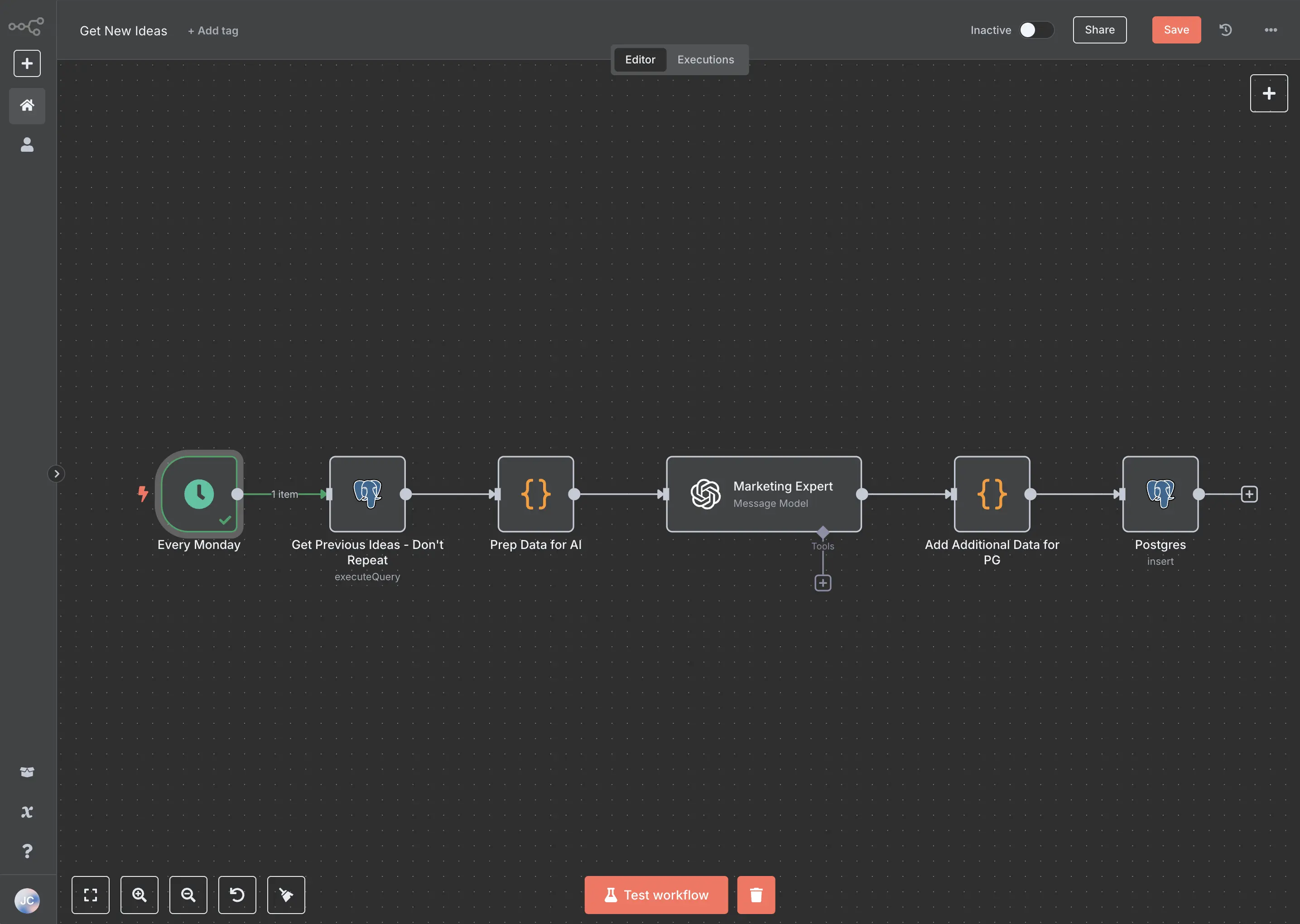
Agents sound intimidating, but the smallest useful one I've built fits neatly into a five-node n8n workflow that runs every Monday.
AI is shaping the next era of UX and offering practical strategies for embracing this technological transformation.
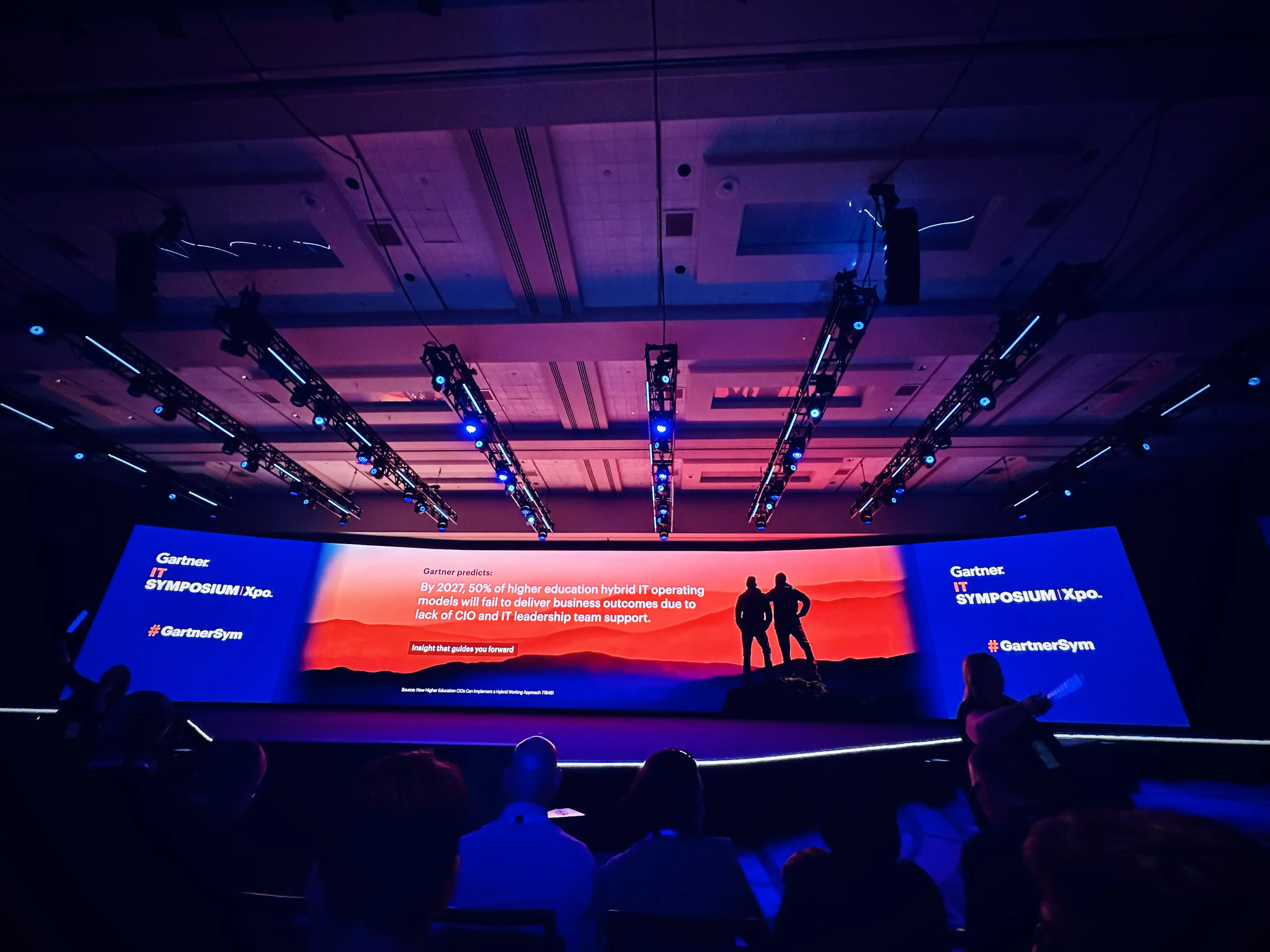
A day of AI insights, highlighting its impact on productivity, customer experience, and the future of enterprise applications.